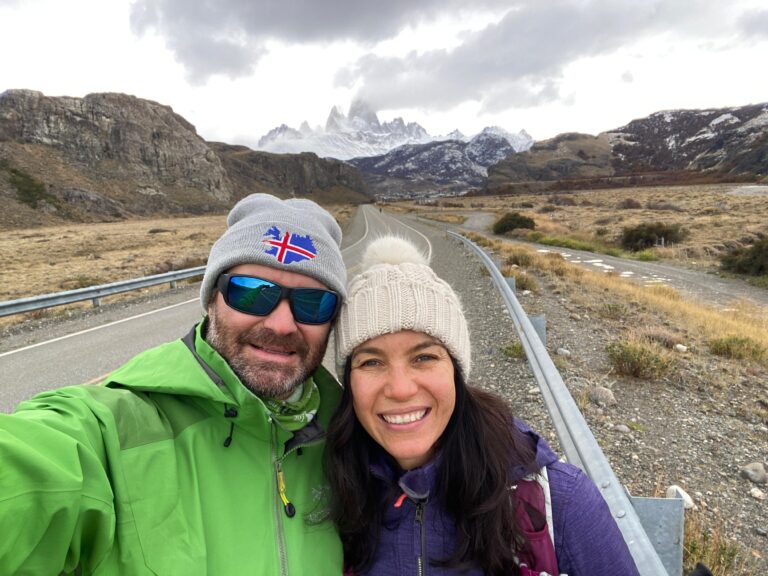
There’s something about Patagonia that stays with you.
A place that is not easy, not soft—difícil, raw, and honest. And yet, that’s exactly what makes it unforgettable.
We found ourselves drawn back once again. To that harsh beauty you don’t quite find anywhere else. The turquoise lakes. The wind that never really stops. The rugged vegetation that somehow survives it all. And above it, those peaks—Fitz Roy, Los Cuernos—standing there like they always have.
Before heading south, we made a short stop to see family and friends. A bit of Buenos Aires on the way back would come later. But Patagonia was calling.
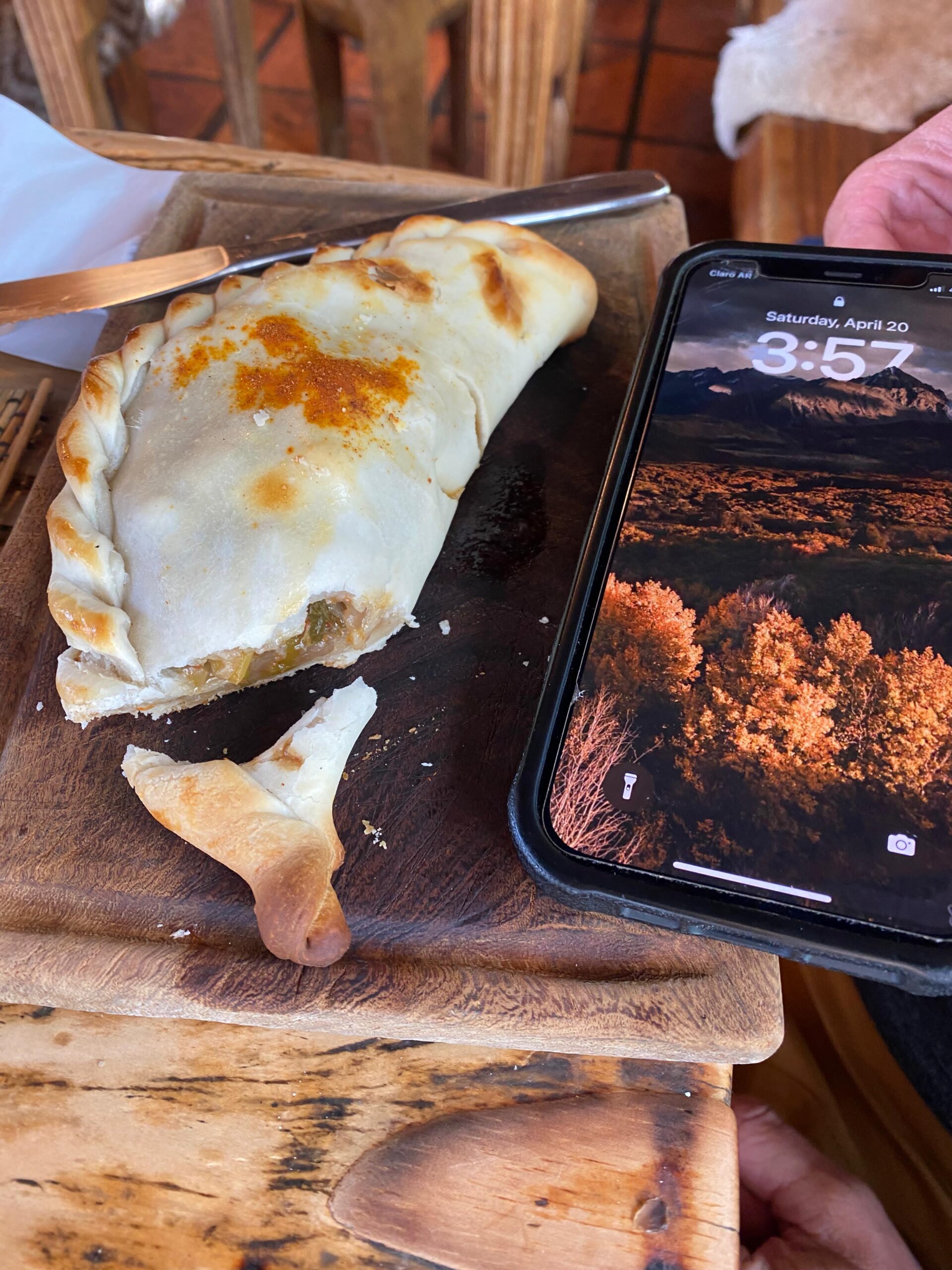
We flew out of Aeroparque into El Calafate. It’s almost always windy there—mucho viento—but this time, the landing was calm. After a couple of empanadas right at the airport, we caught the bus to El Chaltén. Easy connection, tickets already sorted.
El Chaltén is still what it has always been at its core: a small village built for those who walk. No need for a car. Everything happens on foot. On the way in, the landscape slowly unfolds—Lago Argentino, Lago Viedma—those impossible shades of blue that don’t quite look real.
Good to be back.
The hardest part, honestly, was carrying the bags from the bus station to the cabin. A small place we found through Home Exchange—simple, quiet, and just right. And as we arrived, there it was: Fitz Roy. Clear. Present.
Not always the case—clouds tend to gather fast around the peak—but this time, nos dio la bienvenida.
We were hungry. Straight to lunch at Fuegia Bistro—great empanadas, a warm soup, simple food done right. The asado would wait.
No hiking that first day.
What did stand out was how much El Chaltén has grown. The first time I came here, back in 2013, it felt like a tiny, almost hidden place. Now it’s bigger—easily double in size—but it still holds onto that Patagonian hospitality. That hasn’t changed.
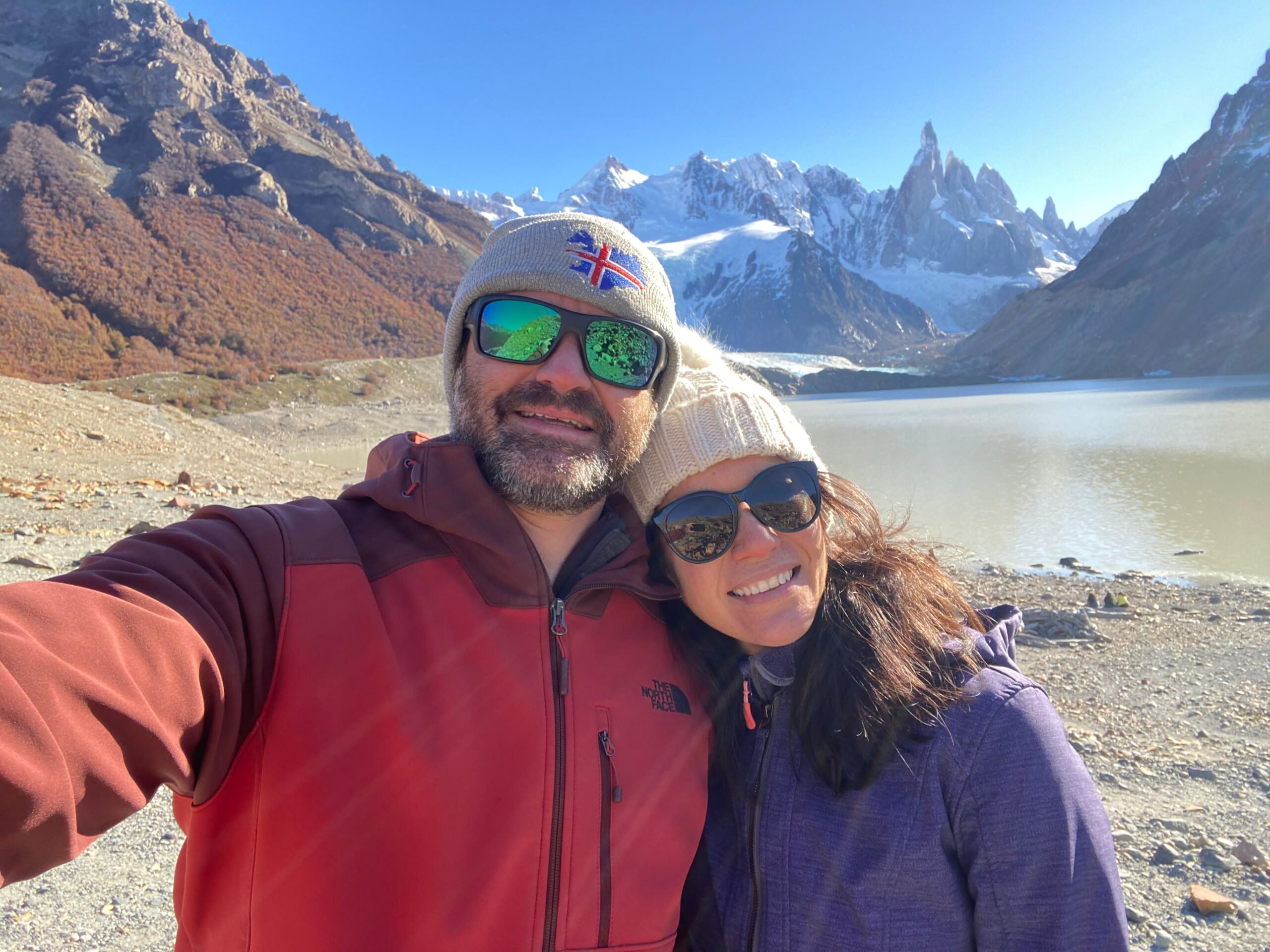
The next day, we headed to Laguna Torre. Packed a simple lunch from a local bakery and started the hike. For me, it was slower than usual—I was dealing with a recently fractured rib. Every step reminded me. Still, we made it. The light wasn’t ideal—neither sunrise nor sunset—but the landscape doesn’t really need perfect light to impress.
That night, a good dinner at La Tapera. Well earned.
The following day, I took it easy. By late afternoon, we walked up to Paredón de los Cóndores for sunset. The view of Fitz Roy over the town, the light fading, condors gliding close—un espectáculo. One of those moments you don’t plan, but stay with you.
Dinner at Maffia, long conversations with other travelers. That shared understanding—you’re all there for the same reason.
Then came two days of pure weather. Rain, snow, wind. Patagonia doing what Patagonia does. We stayed in, stepped out only for meals. A forced pause. Not a bad thing.
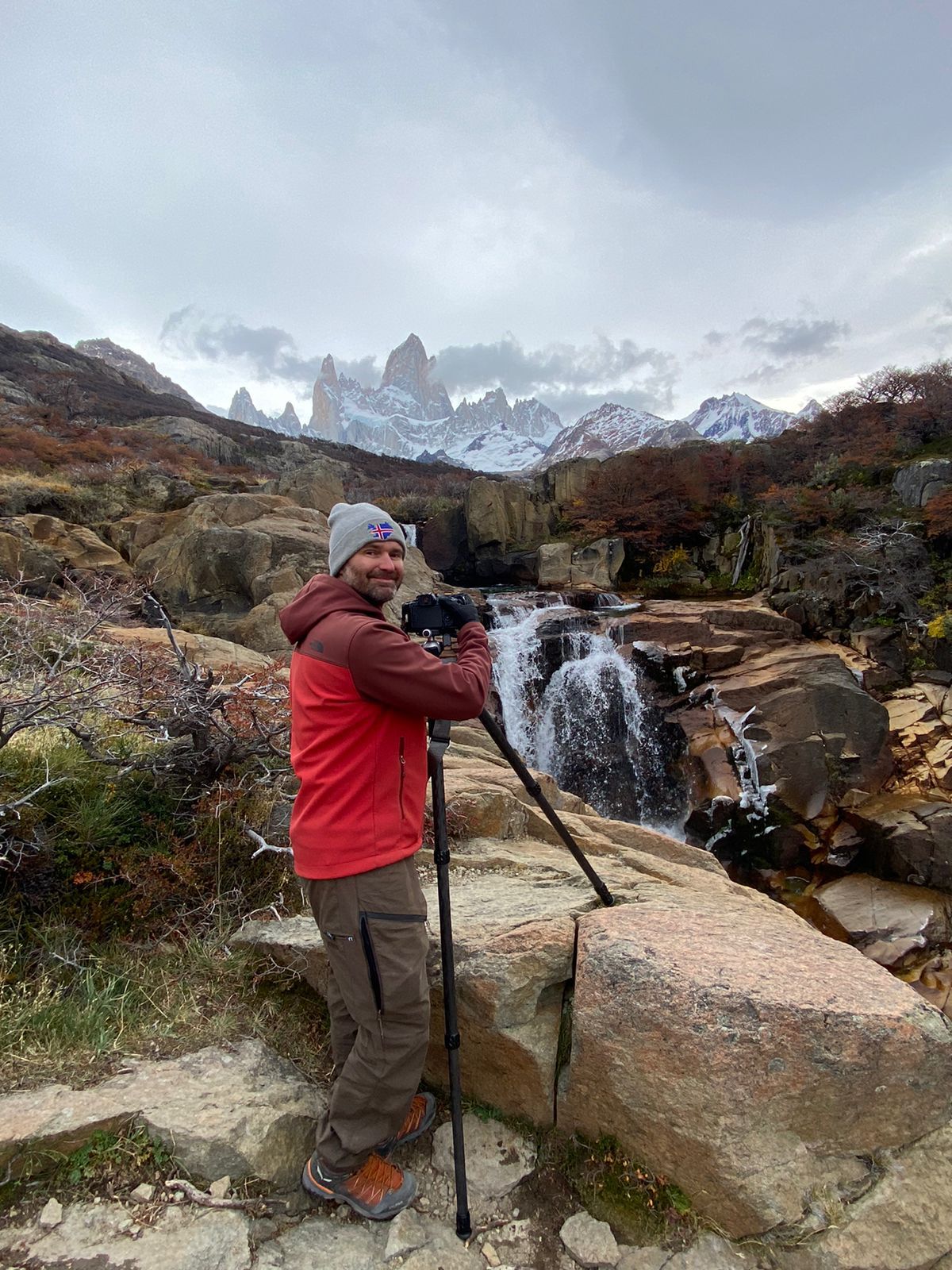
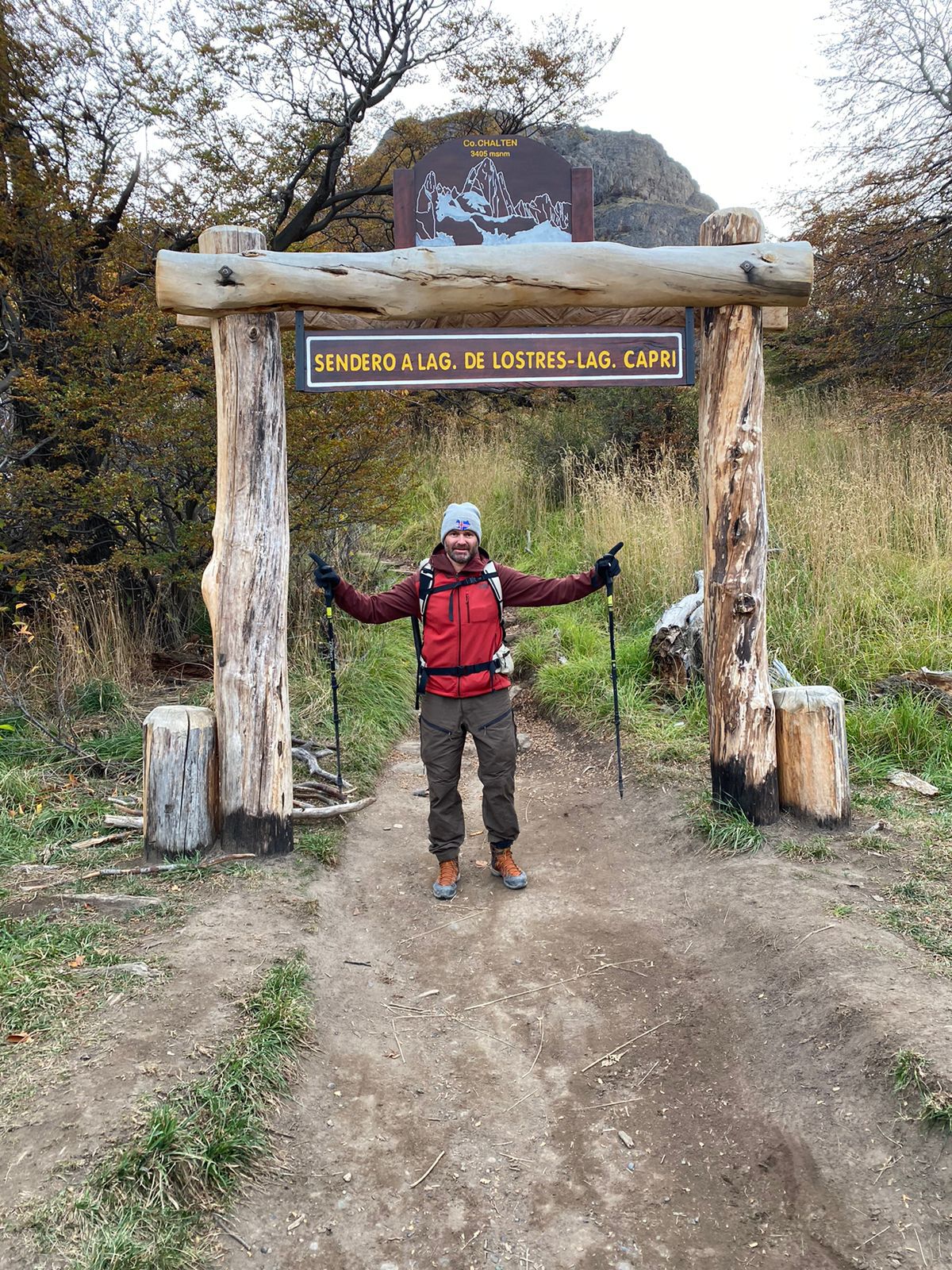
When the window opened again, we went for Laguna Capri. The goal was a specific shot—the small waterfall with Fitz Roy in the background. A simple composition, but not always easy to find or time right.
Cold in the air. Autumn fading. Winter arriving early this year. Leaves already falling, but still enough color left in the landscape.
We found the spot.
At first, I was alone. Quiet. Time to work through the composition without pressure. Then, slowly, other photographers started to arrive. It always happens.
This time, we skipped Laguna de los Tres. The final ascent is steep, and with the rib, it didn’t make sense. I had done it before anyway. No need to force it.
What mattered was already there: fresh snow on the peaks, soft light breaking through the clouds. The kind of conditions you hope for but never control.
That evening, a proper asado at The Asadores. Merecido.
The next morning was slower. Coffee, a walk, then Mirador de los Águilas for sunrise. Quiet, simple, no rush.
Five nights in El Chaltén. Enough to feel it again. Enough to come back with images that matter.
From there, we had a car waiting for the next part of the journey. Quick tip—always check the road conditions before leaving. Patagonia changes fast. Roads close, sections get repaired. Better to ask.
Before heading out—one last stop for empanadas.
Because some things don’t change.
El Chaltén remains what it has always been:
a place for those who walk, who wait, and who are willing to meet the landscape on its own terms.
El paraíso del hiking argentino.
⇒ See Argentina Patagonia images: Patagonia – Argentina
This story is mine—every place, every moment, every image. I had a little help from AI to put it into words and make it easier to read. I’m a photographer first, a storyteller by instinct, but not necessarily a writer